Paint protection film is a clear, durable urethane film applied to the surfaces of a vehicle to protect the paint from scratches, chips and other physical damage. Fitted well, it is virtually invisible, so the car keeps the finish it left the factory with while gaining a tough, sacrificial layer on top. That layer takes the hits that would otherwise land on your paint, and because film can be replaced, it is a practical way to protect a finish you plan to keep, or a car you plan to sell.
What Paint Protection Film Actually Is
PPF is a polyurethane film, supplied on a roll and cut or plotted to fit the panels of a specific vehicle. It is not a wax, a sealant or a coating. It is a physical barrier measured in fractions of a millimetre, bonded to the paint with an adhesive backing and trimmed so the edges sit neatly along panel lines, behind returns and under seals wherever possible.
Film rolls are sold in a range of widths and lengths, and DIY kits are widely available online. That matters because it explains the difference between the product and the result. The material is only half of the job. The other half is preparation, panel-specific cutting, controlled stretching and edge finishing, which is where most of the visible quality comes from once the film is on the car.
Manufacturers describe the film in much the same terms across brands. It is a clear urethane layer that protects paint from damage and helps preserve resale value. Different makers emphasise different ingredients, but the job it does is consistent.
What PPF Protects Against
The threats PPF is designed to absorb are the ordinary ones a car meets every week. Stone chips are the headline, but the list is longer than most drivers assume.
- Stone chips thrown up by other traffic, especially at motorway speed
- Scuffs and scrapes from tight parking and low walls
- Light scratches from branches, trolleys, bags and keys
- Vandalism in the form of deliberate keying or scraping
- Bug splatter and road grime sitting directly on vulnerable panels
Surface protection films from established manufacturers are marketed for exactly this spread of problems, protecting automotive paint and other vulnerable surfaces from stone chips, scratches and bug residue. The aim is not to make a car indestructible. It is to make the first layer of damage something you can replace rather than something you have to repaint.
Where Paint Protection Film Is Normally Applied
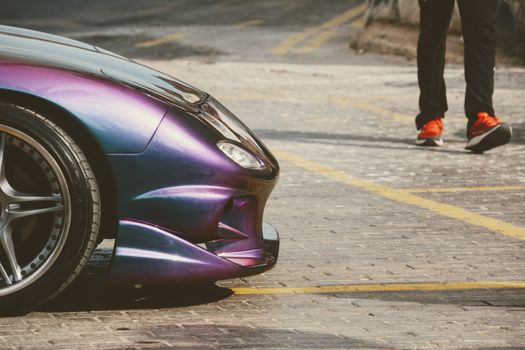
Full-body coverage exists, and for a new prestige car it is a reasonable choice. Most owners start with the high-impact areas, because that is where the damage actually happens.
| Panel area | Why it takes the punishment |
|---|---|
| Front bumper | The leading edge of the car, first in line for road debris |
| Bonnet | Sits directly in the path of grit and chips thrown up ahead |
| Front wings | Caught by spray, grit and debris kicked sideways |
| Wing mirrors | Struck by passing vehicles, hedges and narrow lane traffic |
These are the areas most commonly covered, described in the trade as the high-impact zones. A partial front end package typically covers the bumper, part of the bonnet and the mirrors. A full front end adds the wings and the full bonnet. Beyond that, door edges, door cups, sills, rear bumper load area and headlights are all common additions, and a full body installation covers every painted panel.
PPF and Ceramic Coating Do Different Jobs
These two products are often discussed as alternatives. They are not. Paint protection film is the ultimate defence against physical damage. A ceramic coating is the ultimate defence for your film.
In other words, PPF handles impact and abrasion. A ceramic coating handles chemistry, in the sense that it makes the surface slicker, easier to clean and more resistant to contamination bonding to it. Where the two are combined, the coating sits on top of the film and takes the day-to-day wear, while the film underneath absorbs the stones.
Can a Ceramic Coating Be Applied Over PPF?
Yes. Coatings designed for film and vinyl exist specifically for this, and it is a common way to finish a PPF installation. The coating adds slickness and easy cleaning to the film surface, and it can be reapplied over time without disturbing the film beneath. On a car with both, the practical result is a finish that sheds water, releases bug splatter more easily and keeps its gloss with gentler washing.
Gloss, Matte and Colour PPF
Clear gloss film is the default and keeps the original paint finish visible underneath. Matte and satin films are used to change or preserve a flat finish, and modern film ranges also include colour options, which deliver protection and a colour change in one application rather than two separate jobs. If your car already has a matte or satin paint finish, film is one of the few ways to protect it without introducing a shine you did not want. Film can also be applied over vinyl wraps.

Self-Healing Film: What It Means in Practice
Self-healing is one of the most useful properties of modern film, and one of the most misunderstood. The top layer of a self-healing film is designed to recover from light surface marks, the kind left by a fingernail, a wash mitt or a brush against the paintwork. Warmth helps the process along, so a car parked in the sun or warmed gently will often see light marring disappear on its own.
It does not heal cuts, deep gouges or impact damage that has physically torn the film. What it does is keep the film looking cleaner for longer between washes, and it reduces the swirl marks that accumulate on unprotected paint. That is a meaningful benefit, but it is a maintenance benefit rather than a repair service.
Choosing a Paint Protection Film Installer in Aberdeen
The film is a manufactured product with published standards. The installation has no such safety net, which is why the installer matters more than the brand name on the box.
Ask about training and product certification. Aberdeen Diamond Detailing works from Longview, Whitecairns (AB23 8UJ) and serves Aberdeen City and Shire, with SunTek certification and advanced training through KDS Keltec behind its paint protection work. Those credentials are worth asking about with any studio you consider, because they indicate someone has been taught how to handle the material rather than learning on your car.
Ask to see a finished vehicle if you can, and look closely at the edges. Good film edge work disappears into panel gaps and returns. Look for trapped dust, lifted corners, stretched distortion over curves and cutting marks in the paint around the film. Ask how the paint will be prepared first, since film applied over swirling, contaminated paint locks the defects underneath it.
Finally, ask about warranty cover and what it includes. Warranty terms vary by manufacturer and installer, so confirm the details in writing rather than relying on a verbal description, and check whether the cover is limited to film failure or extends to installation faults.
Is Paint Protection Film the Right Spend for Your Car?
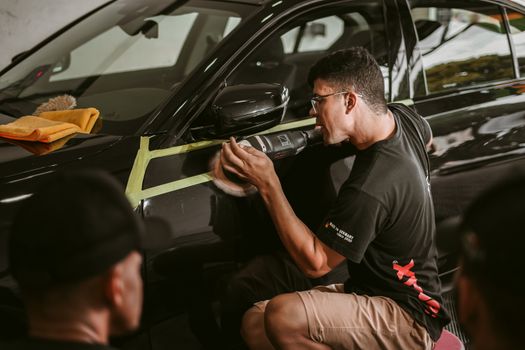
PPF suits owners who care about the condition of their paint and intend to keep the car, or who expect the condition to matter at resale. It makes most sense on new or freshly corrected paint, where there is nothing to hide. Cars used on fast A roads and motorways benefit most, because stone chips accumulate quickly at speed.
It makes less sense on a car with existing damage that has not been addressed, or where the budget would be better spent on paint correction first. Film protects paint. It does not correct it, and it cannot disguise defects beneath the surface.
For anyone weighing up the options in the North East of Scotland, the sensible order is usually correction first, then film on the areas that take the hits, then a ceramic coating over the top. That sequence gets the paint to its best state before it is sealed in.
Frequently Asked Questions
Is paint protection film worth it?
It is worth it if you plan to keep the car and want to avoid repainting stone chip damage on the front end. The film is a replaceable layer, so damage that would need a bodyshop is instead absorbed by material that can be renewed. Resale value is also a factor, since original paint in good condition is easier to sell.
What are the downsides of paint protection film?
The main drawbacks are cost relative to a coating alone, the need for careful fitting, and the fact that film can be damaged. Deep impacts and kerb scrapes can tear or mark it. Edges can lift if the installation is poor, and film does age, so a long-term owner should expect eventual replacement on the most exposed panels.
Which paint protection film is the best?
There is no single answer, because brands differ in top coat, clarity, thickness options and warranty terms rather than in the basic job they do. What matters more is that the film comes from an established manufacturer, that the installer is certified for that product, and that the warranty is documented. Compare on those points rather than on marketing claims.
How much does paint protection film cost?
Pricing is not published by most studios, including ours, because it depends on the vehicle, the film type and how much of the car is covered. Partial front end work costs far less than a full body installation. Ask for a quote based on the panels you want protected and confirm exactly what the figure includes.
Can paint protection film be removed later?
Yes, film is designed to be removable, and a professional removal is usually straightforward on healthy paint. Very old film, or film on a resprayed or previously damaged panel, can be more difficult and carries a small risk to the paint underneath. If you are unsure about your car’s history, discuss removal with the installer before having film fitted.