
Table of Contents
- What Daily Drivers Actually Face: The Real Cost of Neglect
- Paint Protection Film vs Ceramic Coating for Daily Drivers
- Does PPF Affect Car Resale Value?
- How Much Does Full Car PPF Cost in the UK?
- PPF Options Compared: XPEL, 3M, SunTek and LLumar
- A Cost-Benefit Analysis for Your Daily Driver
- The Verdict: Is Paint Protection Film Worth It for You?
- Frequently Asked Questions
Last Updated: September 9, 2026
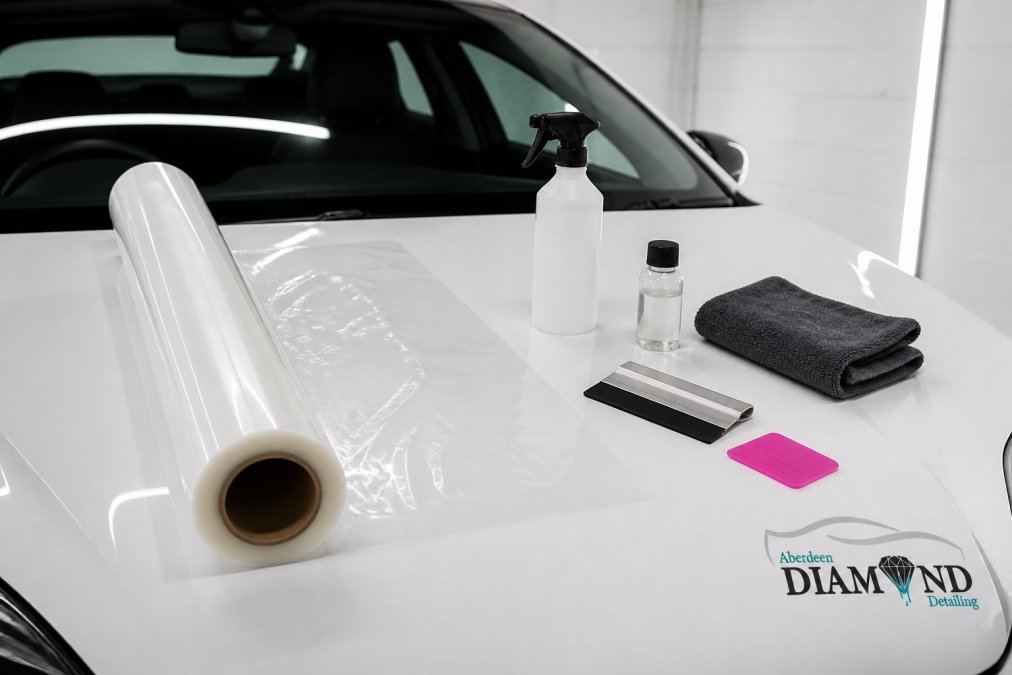
A daily driver takes a beating that a weekend car never experiences. Stone chips on the bonnet, swirl marks from automatic washes, bird droppings etched into the clear coat, and the relentless abrasive effect of road grit are all part of the routine. Paint protection film is a thermoplastic urethane layer applied to a vehicle’s paintwork to absorb this physical damage, and for many owners, the question of whether it is worth it comes down to a simple calculation of cost versus peace of mind. In this guide, we break down the real-world value of PPF, comparing it against alternatives and helping you decide if the investment makes sense for your circumstances.
The honest answer is that paint protection film is worth it for most daily drivers, particularly those covering high motorway mileage or parked on the street. It is the only product that physically prevents stone chips rather than simply repelling contaminants. Below, we will show you exactly how PPF compares to ceramic coatings, what it does for resale value, and the realistic cost expectations here in the UK.
What Daily Drivers Actually Face: The Real Cost of Neglect
The daily commute is a war of attrition on your paintwork. Motorway driving at speed propels small stones and debris at your bonnet and bumper with significant force, while town driving exposes you to bumper scuffs and door dings in tight car parks. Over a year of typical use, the average driver accumulates a collection of minor defects that dull the finish and, more importantly, reduce the vehicle’s overall presentation.
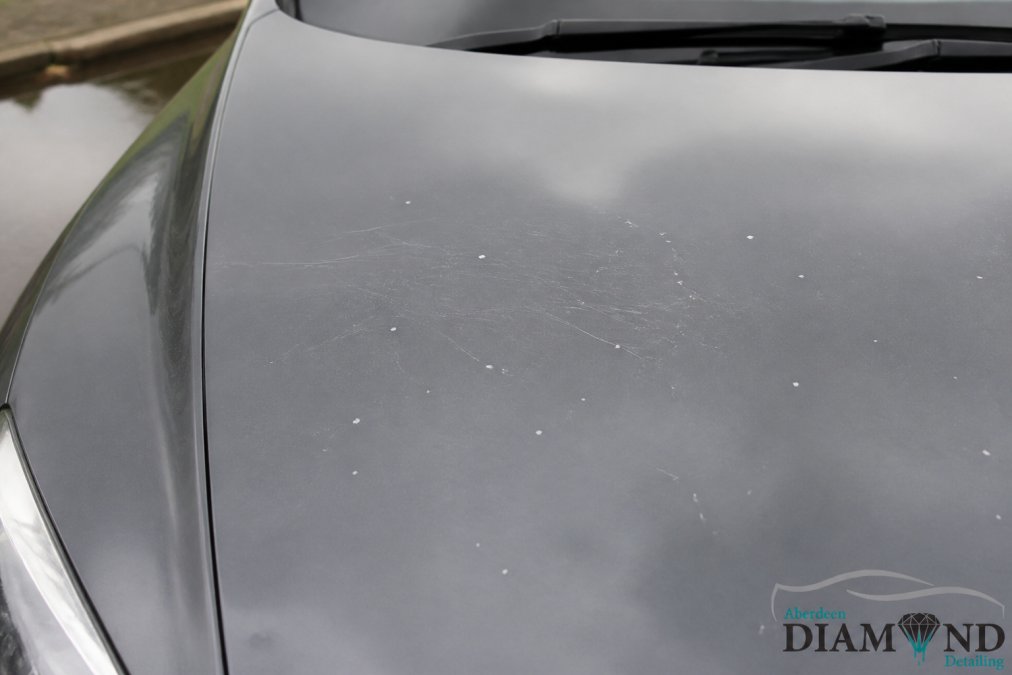
The financial consequence of this neglect becomes apparent at sale time. A car with a peppered bonnet and scratched front bumper is immediately valued as a high-mileage workhorse, not a cared-for example. Many owners find that the cost of rectifying this damage through professional paint correction, which involves machine polishing to remove defects, can be substantial and is not always fully successful on deep chips that have penetrated the colour layer.
Prevention is the only effective strategy. Unlike waxes or sealants that wash away, a physical barrier is required to stop impact damage at the source. This is where paint protection film earns its keep, absorbing the energy of a stone strike so the paintwork underneath remains untouched.
Paint Protection Film vs Ceramic Coating for Daily Drivers
The most common question is how PPF compares to ceramic coating for daily drivers. A ceramic coating is a liquid polymer that bonds to the paint, providing hydrophobic properties and chemical resistance, but it offers almost no protection against physical impact (peer-reviewed research). A stone chip will penetrate a ceramic coating just as easily as unprotected paint.
For a daily driver, the choice is not always either-or. Many discerning owners opt for a layered approach:
- Full front PPF on the bonnet, bumper, wings and mirror caps to catch the high-impact zones
- Ceramic coating over the entire vehicle, including the PPF, to provide gloss, ease of cleaning and chemical resistance
The table below summarises the practical differences:
| Aspect | Paint Protection Film | Ceramic Coating |
|---|---|---|
| Stone chip protection | High physical barrier | Minimal to none |
| Scratch resistance | Self-healing on light marks | Limited to top layer |
| Chemical resistance | Good | Excellent |
| Hydrophobic properties | Varies by brand | Excellent |
| Typical lifespan | 5-10 years | 2-5 years |
| Best for | High-impact areas, daily use | Whole-car gloss and maintenance |
The key distinction for the daily driver is simple: if you want to stop stone chips, you need paint protection film. A ceramic coating alone will keep the car cleaner and glossier, but it will not prevent the physical damage that most devalues a used car.
For the best of both worlds, consider hybrid films that combine a PPF base layer with an integrated ceramic top coat. These reduce the need for a separate ceramic application while retaining the hydrophobic benefits that make weekly washing far easier.
Does PPF Affect Car Resale Value?
Paint protection film can positively affect resale value, but the outcome depends entirely on the condition of the film at the point of sale. A well-maintained, professionally installed film that is free from yellowing, edge lifting and deep scratches signals to a buyer that the car has been cared for. The original paint underneath remains in near-pristine condition, which is a compelling selling point.
The critical caveat is that a poorly installed or aged film can have the opposite effect. Peeling edges, discolouration and a hazy appearance will raise questions about the car’s history and may prompt a buyer to factor in the cost of removal. This is why professional installation and the use of premium, non-yellowing films matter so much. A budget installation can quickly become a liability rather than an asset.
Guidance from the Paint Protection Film industry on film maintenance and longevity confirms that modern films are designed to last for years without yellowing, provided they are maintained correctly. When you come to sell, you are effectively offering a car with factory-fresh paint protected beneath a transparent shield, which can be a strong position to negotiate from.
How Much Does Full Car PPF Cost in the UK?
Full car paint protection film is a significant investment, and pricing in the UK varies widely based on vehicle size, film brand and the complexity of the installation. A small hatchback will cost considerably less than a large SUV or a prestige saloon with complex curves and body lines that require more labour and material.
Rather than quoting specific figures, which fluctuate with film choice and vehicle type, it is more useful to understand the pricing structure. You are paying for three things: the film itself, the labour of a skilled fitter, and the preparation work required to ensure the paint is flawless before the film is applied. Paint correction before installation is often essential, as any existing swirl marks or defects will be permanently visible beneath the film.
Given the variation, the only reliable way to get an accurate figure is to request a quote for your specific vehicle. A reputable installer will assess the car, discuss your priorities, and provide a detailed breakdown. Be wary of quotes that seem too good to be true, as they often indicate thinner film, less coverage or inexperienced fitters.
PPF Options Compared: XPEL, 3M, SunTek and LLumar
The brand of film you choose has a direct impact on the longevity and appearance of the installation. Four names dominate the premium market, each with distinct characteristics suited to different priorities.
XPEL Ultimate Plus is widely regarded as the benchmark for self-healing technology. Light scratches and swirl marks disappear when exposed to heat, whether from the sun or hot water, and its non-yellowing formulation maintains optical clarity over many years. For daily drivers who want long-term preservation with minimal fuss, it is a leading choice.
3M Scotchgard Paint Protection Film Pro Series brings the reputation of a global manufacturer, with a high-gloss finish that blends seamlessly with factory paint. Its advanced adhesive technology ensures secure bonding on complex surfaces, making it a strong option for those prioritising durability against motorway stone chips.
SunTek Reaction takes a hybrid approach, integrating a ceramic top coat into the film itself. This delivers enhanced water beading and chemical resistance without a separate ceramic application. For owners who want combined protection and easier cleaning cycles, it reduces the number of treatments required.
LLumar Valour similarly integrates a hydrophobic ceramic layer, designed to repel water and dirt so the car stays cleaner for longer between washes. Its self-healing properties and resistance to environmental fallout make it a practical choice for commuters who lack the time for frequent detailing.
| Film Brand | Key Strength | Best For |
|---|---|---|
| XPEL Ultimate Plus | Self-healing, optical clarity | Long-term preservation |
| 3M Pro Series | Durability, brand reputation | Motorway stone chip resistance |
| SunTek Reaction | Hybrid ceramic top coat | Combined protection and cleaning ease |
| LLumar Valour | Hydrophobic ceramic layer | Commuters wanting low maintenance |
3M’s official product information for its Paint Protection Film Pro Series highlights the rigorous testing behind its scratch and stain resistance, offering reassurance for those concerned about film longevity.
A Cost-Benefit Analysis for Your Daily Driver
Weighing the cost of paint protection film against the benefits requires an honest assessment of your driving habits and your attitude towards your car’s appearance. For a low-mileage garage queen used only at weekends, the investment is harder to justify. For a daily driver that covers significant miles, parks in public car parks and faces the elements year-round, the maths changes.
Consider the alternative scenario. Without film, you face the gradual accumulation of stone chips, the risk of bird dropping etching and the dulling effect of swirl marks from regular washing. At sale time, these defects will be reflected in the offered price. The cost of professional paint correction to address this damage, where possible, can approach a meaningful portion of the PPF installation itself, and it cannot restore paint that has been chipped down to the primer.
The value of PPF is therefore twofold. It preserves the car’s appearance throughout your ownership, keeping it looking newer for longer, and it protects the resale value by presenting a flawless finish to potential buyers. For owners of prestige and performance vehicles, where the paintwork is a defining feature, the protection is arguably even more critical.
The biggest mistake is treating PPF as a substitute for proper washing. While the film is durable, automatic car washes with abrasive brushes will eventually dull the film’s gloss and can cause edge lifting. Hand washing or touchless washes are essential to maintain the film’s clarity and warranty.
The Verdict: Is Paint Protection Film Worth It for You?
Paint protection film is worth it for daily drivers who care about their car’s appearance and long-term value. It is the only effective defence against the physical damage that devalues a vehicle, and modern films offer excellent clarity, self-healing properties and longevity.
The decision ultimately rests on your priorities. If you view your car purely as an appliance to get from A to B, the cost is difficult to justify. If you take pride in your vehicle, want it to look its best for years, and intend to sell it for a strong price, then paint protection film is a sound investment. The same logic applies to motorbike owners, where the exposed bodywork and fuel tank are particularly vulnerable to road debris.
For those in the Aberdeen area considering the investment, Aberdeen Diamond Detailing specialises in paint protection film for prestige and performance vehicles, with a meticulous approach that begins with paint correction to ensure a flawless base. The result is a showroom-quality finish that maintains its shine and protects your vehicle’s market value against the realities of daily driving and the Scottish climate. Contact Us
Frequently Asked Questions
Does paint protection film really stop stone chips?
Yes, paint protection film is specifically engineered to absorb the impact of stone chips and road debris that would otherwise mark your paint. Premium films like XPEL Ultimate Plus and 3M Scotchgard Pro Series are multi-layer polyurethane products designed for high-impact areas like the bonnet, bumper and wing mirrors. They do not make the paint indestructible, but they dramatically reduce the frequency and severity of chips. For daily drivers covering motorway miles, this is the primary reason owners choose to have PPF applied.
How long does paint protection film last on a daily driver?
A professionally installed paint protection film from a reputable brand typically lasts between five and ten years. The exact lifespan depends on the product used and how the car is cared for. Modern films are formulated to resist yellowing and have self-healing properties that remove light scratches when exposed to heat. Keeping the car garaged and washing it correctly will extend the film’s life. Most reputable film brands offer a warranty for the film itself, which is worth confirming before you book.
Is ceramic coating a better alternative to PPF for daily use?
Ceramic coating and paint protection film solve different problems. A ceramic coating is a liquid polymer that bonds to the paint, creating a hydrophobic layer that repels water, dirt and contaminants, making the car easier to clean. However, it offers almost no protection against stone chips. PPF is a physical film that absorbs that impact. For daily drivers, they are complementary rather than competing options. Many owners choose PPF on high-impact areas and a ceramic coating over the rest of the car.
Does PPF affect car resale value in the UK?
Paint protection film generally has a positive effect on resale value because it preserves the original paintwork, which is the single most important factor in a used car’s condition. A car with untouched, chip-free paint is more desirable to buyers and can command a higher price. The film itself is nearly invisible when correctly installed, so it does not put buyers off. Having documentation of the installation and the film’s warranty can further reassure a potential buyer that the car has been looked after.
The challenge with any daily driver is balancing the desire for a pristine finish against the realities of the road. Paint protection film offers the most effective solution, preserving your vehicle’s appearance and value. At Aberdeen Diamond Detailing, we combine expert PPF installation with ceramic coating and paint correction services, ensuring your car receives comprehensive, professional protection tailored to its needs. Contact us to discuss your vehicle and receive a personalised quote.