
Table of Contents
- Does Paint Protection Film Yellow in 2026?
- Why Old PPF Turned Yellow (And Why New Film Doesn’t)
- What Causes PPF to Yellow on Modern Cars?
- PPF Warranty Coverage: What It Does and Doesn’t Include
- How to Clean Paint Protection Film to Prevent Discolouration
- Does PPF Affect Car Resale Value?
- When Should You Replace Yellowing PPF?
- Conclusion: Protect Your Paint With Confidence
- Frequently Asked Questions
Last Updated: September 5, 2026
Does Paint Protection Film Yellow in 2026?
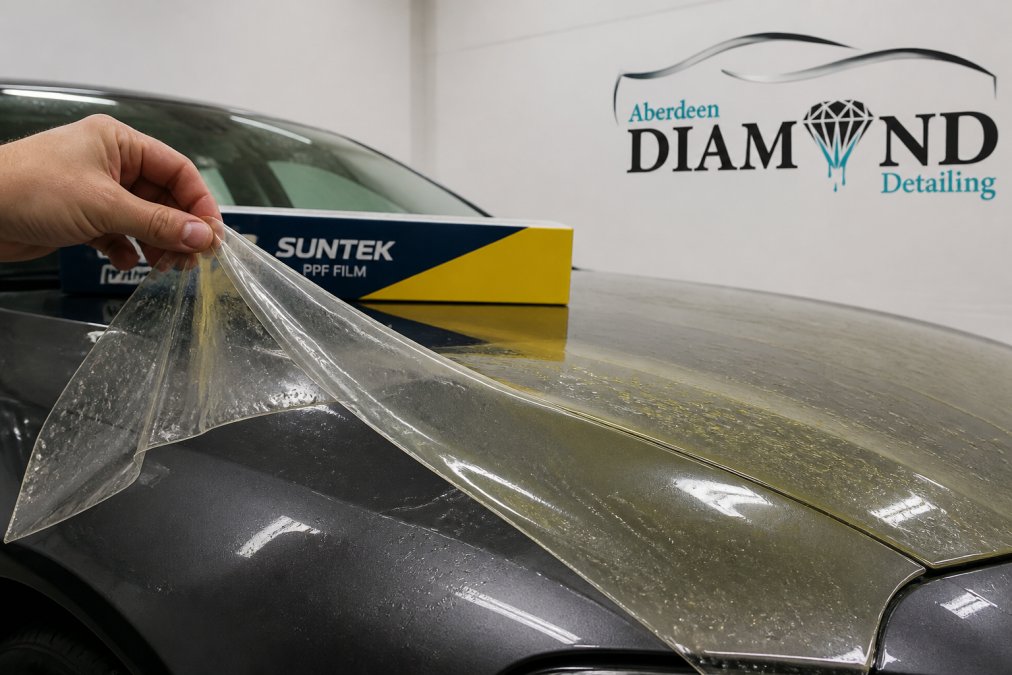
The short answer is no, modern paint protection film will not yellow over time under normal conditions. Paint protection film yellowing was a genuine problem with early-generation films from the 1990s and 2000s, but the chemistry has changed completely. When you ask “will PPF yellow over time” today, the answer depends on the quality of the film you choose, not on the technology itself.
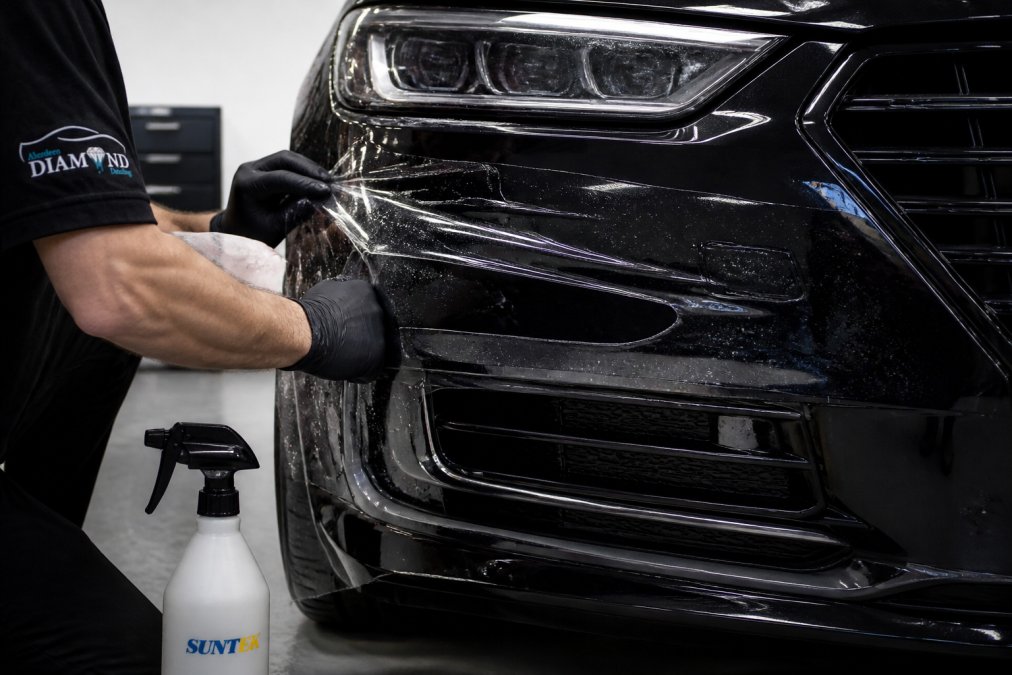
At Aberdeen Diamond Detailing, we install paint protection film daily on prestige and performance vehicles across the region. The films we fit in 2026 use advanced aliphatic urethane polymers that resist UV degradation far better than the aromatic urethanes used decades ago. Those older films turned amber because their chemical structure absorbed ultraviolet light and broke down over several years of sun exposure.
The key distinction is product quality. A premium film from a reputable manufacturer will not yellow. Budget films, or poorly installed copies, still carry that risk because they cut corners on raw materials. Below, we break down exactly why old film yellowed, what causes discolouration on modern cars, and how to keep your paint protection looking crystal clear for the life of the film.
Why Old PPF Turned Yellow (And Why New Film Doesn’t)
Early paint protection films used aromatic urethane chemistry, which contained molecular structures that absorbed UV light and oxidised over time (peer-reviewed research). That oxidation produced a yellow or amber tint, often visible within three to five years of installation. The problem was compounded by the adhesives and topcoats of the era, which were not designed to withstand prolonged sun exposure.
Modern films use aliphatic urethanes, a different molecular structure that resists UV degradation. Aliphatic urethanes do not absorb UV light in the same way, so they remain optically clear for much longer. Manufacturers also add UV inhibitors to the topcoat and adhesive layers for extra protection. This is why premium brands confidently back their products with long-term warranties against yellowing and discolouration.
The shift is not subtle. A film installed in 2010 might have shown visible ambering within four years. A quality film installed today should remain clear for a decade or more with proper care. The technology matured, and the market moved on. If you are researching whether PPF will yellow, the answer for modern film is a confident no, provided you choose a reputable product.
What Causes PPF to Yellow on Modern Cars?
Even with modern chemistry, certain conditions can accelerate discolouration or make a film look yellowed when it is actually suffering from surface contamination. Understanding these factors helps you protect your investment.
- UV exposure: Prolonged, intense sunlight remains the primary environmental stressor. Quality films handle it well, but no film is immune to extreme conditions over many years.
- Contaminant bonding: Brake dust, industrial fallout, and airborne pollutants can embed into the film’s surface. These contaminants often appear as a yellow or brown haze that looks like film yellowing but is actually surface dirt.
- Chemical damage: Harsh solvents, acidic cleaners, or automatic car wash chemicals can degrade the film’s topcoat. This damage can cause clouding or a subtle tint change over time.
- Poor quality film: Budget films that skip UV inhibitors or use inferior topcoats will still yellow, regardless of how well they are maintained.
The good news is that surface contamination can usually be removed with proper cleaning techniques. True yellowing of the film itself is rare with premium products. One brand that has built its reputation on non-yellowing performance is SunTek PPF film, which uses advanced topcoat technology specifically designed to resist UV damage and maintain optical clarity. When choosing an installer, ask which film they fit and whether it carries a manufacturer warranty against yellowing.
PPF Warranty Coverage: What It Does and Doesn’t Include
PPF warranty coverage is your safety net, but you need to read the terms carefully. Most reputable manufacturers offer a 10-year warranty on their premium films, covering yellowing, cracking, peeling, and bubbling under normal use (suntekfilms.com). Some extend to the lifetime of the vehicle. These warranties are only valid when the film is installed by an authorised professional.
What the warranty does not cover is often where owners get caught out. Damage from improper cleaning products, impact from road debris, or neglect is excluded. If you use an abrasive cleaner or take the car through a brush wash, the manufacturer can void the claim. The warranty also typically requires annual maintenance or inspection to remain valid, so keep records of any professional checks.
A common mistake is assuming the installer’s workmanship warranty and the manufacturer’s product warranty are the same thing. They are separate. The manufacturer covers defects in the film itself; the installer covers the quality of the application. At Aberdeen Diamond Detailing, we explain both warranties clearly before any work begins, so you know exactly what is protected and what is your responsibility.
How to Clean Paint Protection Film to Prevent Discolouration
The best way to prevent PPF discolouration is to clean it correctly from day one. Paint protection film is not paint, and it needs different care. Many owners accidentally damage their film by treating it like a standard painted surface.
Use a pH-neutral car shampoo and a soft microfibre mitt (xpel.com). Avoid abrasive polishes, waxes containing harsh solvents, or any product labelled for “heavy cut” cleaning. These can strip the film’s topcoat and accelerate UV damage. For stubborn contaminants, use a dedicated film-safe cleaner or a clay bar lubricated with a pH-neutral detail spray.
Your PPF cleaning routine:
- Rinse the panel thoroughly to remove loose grit before touching it
- Wash with a pH-neutral shampoo and microfibre mitt, working top to bottom
- Dry with a clean, soft microfibre towel to prevent water spots
- Apply a film-specific sealant or ceramic topcoat designed for PPF every three months
- Avoid automatic car washes with brushes; use touchless washes or hand washing only
If you notice a yellow haze that will not wash off, it is likely bonded contamination rather than film degradation. A professional detailer can usually remove it with specialised products. Do not attempt aggressive polishing, as you can damage the film permanently.
Does PPF Affect Car Resale Value?
Paint protection film generally supports resale value because it preserves the original paintwork underneath. Buyers of prestige vehicles see PPF as a sign that the owner cared for the car. A well-maintained film with no yellowing, peeling, or edge lifting suggests the paint beneath is in excellent condition.
The caveat is condition. A yellowed, peeling film has the opposite effect, signalling neglect and forcing a buyer to budget for removal and repainting. The question of whether PPF affects resale value really comes down to how well it has been maintained. A pristine film on a three-year-old car adds appeal; a degraded film on a five-year-old car is a liability.
If you are selling a car with PPF, a professional inspection and any necessary edge repairs before listing can make a meaningful difference. Documentation of the film brand, installation date, and maintenance history also reassures buyers. Transparent records turn a potential objection into a selling point.
When Should You Replace Yellowing PPF?
If your film shows genuine yellowing, replacement is the only solution. Cleaning and polishing cannot reverse chemical degradation in the film itself. The yellow tint is throughout the material, not on the surface. Leaving it in place not only looks poor but can also make the film brittle, leading to cracking and difficult removal later.
Signs that replacement is needed:
- A yellow or amber tint that persists after thorough cleaning
- Cracking, crazing, or a spiderweb pattern on the surface
- Edges lifting or peeling away from the paint
- Loss of gloss or a cloudy, hazy appearance
Removal is a skilled job. Old film can leave adhesive residue that requires careful solvent use and gentle heat to avoid damaging the paint beneath. A professional installer will also inspect the paint after removal and correct any issues before fitting new film. Replacing degraded film with a modern, non-yellowing product restores both protection and appearance.
Never attempt to remove old PPF yourself with a heat gun or scraper. Aggressive heat can damage the clearcoat, and scrapers will scratch the paint. Professional removal protects the surface underneath and ensures clean adhesion for the new film.
Conclusion: Protect Your Paint With Confidence
Modern paint protection film does not yellow, and that is not a marketing claim. It is the result of fundamentally better chemistry. The old stories about ambering film come from a generation of products that no serious installer would fit today. When you choose a quality film from a manufacturer like SunTek and have it installed by a professional, yellowing is not a realistic concern.
The real risks are poor product choice, improper maintenance, and environmental neglect. Address those three, and your film will stay clear for a decade or more. At Aberdeen Diamond Detailing, we fit premium PPF with manufacturer-backed warranties, and we show every client how to care for it properly. If you are ready to protect your paint with confidence, contact us to discuss the right film for your vehicle.
Frequently Asked Questions
Why does some paint protection film turn yellow?
Yellowing happens when the adhesive or top coat degrades. Older polyurethane-based films were especially prone because they absorbed UV light and reacted with heat. Modern films use clearer base materials and UV inhibitors in the top coat. SunTek PPF film, for example, includes advanced UV protection that blocks the wavelengths responsible for discolouration. If a film yellows today, it usually points to a low-quality product or a film that has reached the end of its service life.
Does SunTek PPF yellow over time?
SunTek PPF film is engineered with UV-resistant top coats and is widely recognised for its clarity. Under normal use and with proper maintenance, it will not yellow for the duration of its warranted life. The film carries a PPF warranty coverage that protects against discolouration and other defects, giving you recourse if a problem appears. As with any PPF, keeping it clean and avoiding harsh chemicals will help it stay clear for years.
Is yellowing covered under standard PPF warranties?
Yes, yellowing and discolouration are typically covered under PPF warranty coverage from reputable manufacturers. Warranty terms usually cover defects like bubbling, peeling, cracking, and yellowing for a set period, often 5 to 10 years. The catch is that the warranty is void if the film is not maintained correctly. You need to follow the manufacturer’s cleaning guidelines and have the installation done by an approved fitter to keep the coverage valid.
How often should I clean my PPF to prevent discolouration?
Wash your car every two weeks, or more often if it sits outside or you drive on gritty roads. Contaminants like bird droppings and tree sap can etch the film’s top coat if left on the surface, which makes discolouration more likely. When you clean, use a pH-neutral shampoo and a soft microfibre mitt. Avoid automatic car washes with stiff brushes and never use abrasive polishes, as these can dull the clear coat and reduce its UV protection.