Table of Contents
- Why Ceramic Coating Care Decides Whether the Finish Lasts
- Quick Comparison: Products That Keep a Coated Car Flawless
- The Best Car Shampoo for Ceramic Coating
- Ceramic Coating Aftercare Guide: A Wash Routine That Protects
- Ceramic Coating Cost and What You Get for It
- Professional Application vs DIY Kits: Where Each One Wins
- Verdict: Which Route Keeps Your Vehicle Looking Flawless
- Frequently Asked Questions
Last Updated: September 10, 2026
Why Ceramic Coating Care Decides Whether the Finish Lasts
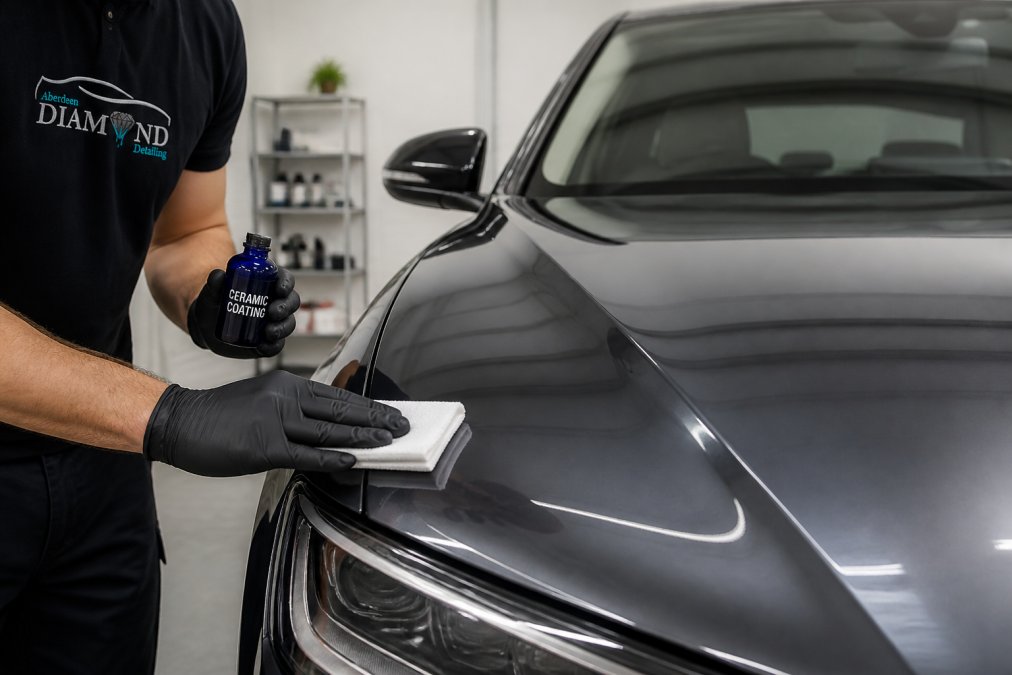
The best way to keep a vehicle looking flawless after ceramic coating is a coating-safe wash routine, the right shampoo, and periodic topper application, because a coating’s hydrophobic layer degrades with every incorrect wash. Coated cars can lose their gloss within months when owners treat them like uncoated paint.
Ceramic coating care is not complicated, but it is specific. The coating itself, a liquid polymer that bonds to paint and creates a semi-permanent hydrophobic barrier, does the heavy lifting. Your job is to stop stripping it.
Below, we break down the shampoos, aftercare steps, and cost realities that separate a coating that lasts from one that fails early.
Quick Comparison: Products That Keep a Coated Car Flawless
The table below summarises products rated for maintaining a coated finish, from professional-grade coatings to maintenance sprays.
| Product | Type | Starting Price | Best For | Standout Feature |
|---|---|---|---|---|
| Gtechniq Crystal Serum Light & EXOv5 | Dual-layer coating | £85.00 | Enthusiasts wanting pro-level longevity | 3-5 year durability layer |
| Gyeon Q2 Pure EVO | Single-layer coating | £55.00 | Wet-look gloss on prestige cars | pH 2-11 chemical resistance |
| Adam’s Graphene Ceramic Coating Advanced | Graphene coating | £75.00 | Maximum protection on high-value vehicles | Heat dissipation, up to 9 years |
| Chemical Guys Carbon Force | Ceramic coating | £39.99 | Balance of performance and ease | High-solids UV protection |
| McKee’s 37 Graphene Ceramic Coating | Graphene coating | £45.00 | DIYers wanting forgiveness | Up to 5 years protection |
| CarPro Reload | Maintenance spray | £22.00 | Refreshing existing coatings | Wet or dry application |
| Cerakote Platinum Rapid | Spray sealant | £25.00 | Quick top-ups | Fast cure, streak-free |
| Turtle Wax Hybrid Solutions | Spray coating | £15.00 | Beginners and quick maintenance | Up to 6 months beading |
The Best Car Shampoo for Ceramic Coating
The best car shampoo for ceramic coating is a pH-neutral, SiO2-safe formula that lifts dirt without stripping the hydrophobic layer. Avoid anything labelled “wash and wax” or containing strong detergents.
What a Coating-Safe Shampoo Actually Does
A coating-safe shampoo lubricates the surface so dirt slides off without abrasion, and leaves no residue that clogs the coating’s pores. Standard shampoos often contain waxes or gloss enhancers that sit on top of the coating and mask its water-beading behaviour.
What most guides miss is that a coating’s performance depends on the surface staying clean at a microscopic level. Residue buildup reads as “the coating has failed” when it has simply been smothered.
Check the dilution ratio on the bottle and err on the stronger side for winter washes. Road salt and traffic film in colder months need more lubrication, not more scrubbing.
Shampoos and Toppers We Rate
For maintenance between professional details, we rate CarPro’s coating maintenance range highly because its silica-based sprays refresh the hydrophobic layer rather than covering it. CarPro Reload works on wet or dry surfaces, which makes it practical after a standard wash.
For owners who want a simple spray-and-wipe option, Turtle Wax Hybrid Solutions delivers up to six months of water beading at an accessible price point. It is not a substitute for a proper coating, but it is a sensible topper.
Ceramic Coating Aftercare Guide: A Wash Routine That Protects
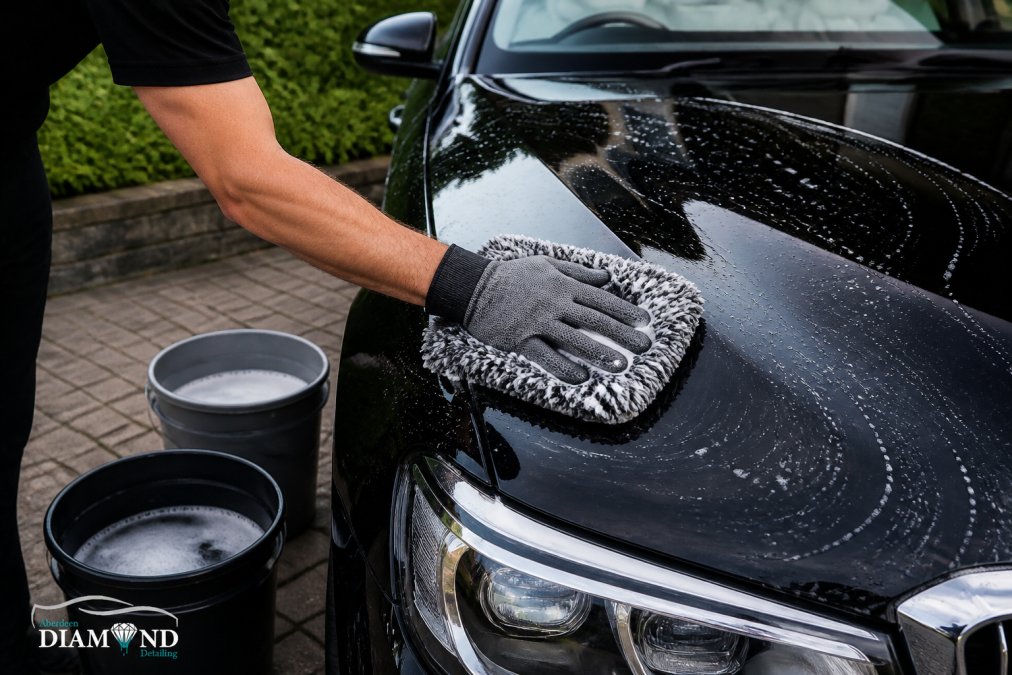
A ceramic coating aftercare guide boils down to three rules: wash with the two-bucket method, dry without touching the paint where possible, and top up the coating every few months. Follow these and a coated car stays glossy for years.
The Two-Bucket Method and Drying Without Swirls
The two-bucket method uses one bucket for soapy water and one for rinsing your mitt. You dunk the mitt in the rinse bucket before reloading it with soap, which keeps grit out of the wash solution and off the paint.
For drying, a filtered blower or a large plush drying towel laid flat and pulled across the panel works better than circular wiping. Circular motion is what creates swirl marks, and swirls show up brutally on a coated dark car.
- Pre-rinse with a pressure washer to remove loose grit
- Wash top-down, one panel at a time, rinsing the mitt between panels
- Dry with filtered air or a flat-laid microfibre towel
- Apply a topper spray every 2-3 months
- Avoid automatic brush car washes entirely
Products to Avoid on a Coated Surface
Skip automatic brush washes, abrasive polishes, and any shampoo containing wax or silicone. A brush wash will scratch the coating and the paint beneath it, and abrasive polishes remove the coating layer you paid for.
Using a wax-based shampoo on a coated car clogs the hydrophobic layer and makes water bead irregularly. The coating is still there, but it will perform like an uncoated surface until you strip the wax residue.
Ceramic Coating Cost and What You Get for It
Ceramic coating cost depends on the coating’s durability rating, the size and condition of the vehicle, and whether paint correction is needed first. A professional installation includes preparation that a DIY kit cannot replicate.
DIY coatings range from around £15 for a spray sealant to £85 for a professional-grade dual-layer system. Professional application adds labour, preparation, and a controlled curing environment, so pricing depends on the vehicle and the level of correction required. For current pricing on our coating and paint protection film packages, contact Aberdeen Diamond Detailing directly.
What you are really paying for is preparation. A coating applied over swirl marks locks those swirls in for years.
Professional Application vs DIY Kits: Where Each One Wins
Professional application wins on preparation, curing control, and warranty. DIY kits win on cost and convenience, provided you accept a shorter lifespan and are willing to do the surface prep properly.
A common mistake is applying a DIY coating over contaminated paint. The coating bonds to the contamination, not the paint, and it fails within months.
DIY kits suit owners of daily drivers who want easier cleaning and accept a one to two year lifespan. Professional application suits prestige and performance vehicle owners who need maximum durability and a flawless base.
For owners weighing whether a coating is worth it at all, our guidance from the British Standards Institution on surface protection testing explains how protective coatings are evaluated for durability.
Verdict: Which Route Keeps Your Vehicle Looking Flawless
The route that keeps a vehicle looking flawless is a professional coating applied over properly corrected paint, maintained with a coating-safe wash routine and periodic toppers. DIY kits can work, but only with disciplined preparation.
If you want the coating to still bead water two years from now, the maintenance matters as much as the application. That is the part most owners underestimate.
Frequently Asked Questions
What is the best way to maintain a ceramic coating?
Wash the car every two to three weeks with a pH-neutral, coating-safe shampoo and the two-bucket method, using a separate grit guard in each bucket. Dry with a clean plush microfibre towel or filtered blower to avoid water spots. Apply a silica-based topper every few months to refresh the hydrophobic layer. Avoid automatic brush washes, which strip protection and add swirl marks. This ceramic coating care routine is what keeps the finish looking flawless between professional inspections.
Can you use wax over a ceramic coating?
You can, but there is little point. Wax sits on top of the coating and masks its hydrophobic properties, and it typically lasts only a few weeks compared with the coating’s multi-year lifespan. A silica-based spray sealant or topper is the better choice because it bonds with the coating rather than covering it. Products such as CarPro Reload are designed specifically to refresh an existing coating and add gloss without interfering with how it performs.
How often should you wash a ceramic coated car?
Every two to three weeks is the sweet spot for most vehicles. Coated paint sheds dirt more easily, so you can go longer between washes than with bare paint, but leaving road salt and traffic film on the surface for months will dull the finish and clog the coating. In winter, rinse the car more often to remove salt, even if you do not do a full contact wash every time. A ceramic coating aftercare guide should always start with a realistic wash schedule.
What should you avoid on a ceramic coating?
Skip automatic brush car washes, abrasive polishes, and any product containing wax, silicone or harsh acids. Do not use household washing-up liquid, which strips protection. Avoid spraying wheel cleaner onto coated paint, and never let bird droppings or bug splatter sit for days. If you are unsure whether a product is coating-safe, check the label for pH-neutral wording and confirm it is designed for ceramic-coated surfaces.
Does ceramic coating prevent swirl marks?
It reduces them but does not eliminate them. A coating adds a hard, slick layer that resists light wash-induced marring, and the hydrophobic surface means dirt releases more easily, so you touch the paint less. However, grit trapped in a sponge or a dirty drying towel will still scratch the surface. The coating buys you time and forgiveness, but the wash technique is what actually prevents swirl marks over the long term.
Maintaining a flawless finish on a prestige or performance vehicle takes more than a good coating. It takes the right preparation, the right products, and a routine that respects what the coating does. Aberdeen Diamond Detailing specialises in paint protection film and ceramic coating application, alongside expert valeting and paint correction, with dedicated care for prestige and performance vehicles. Get started with Aberdeen Diamond Detailing and keep your vehicle looking flawless for years.