Table of Contents
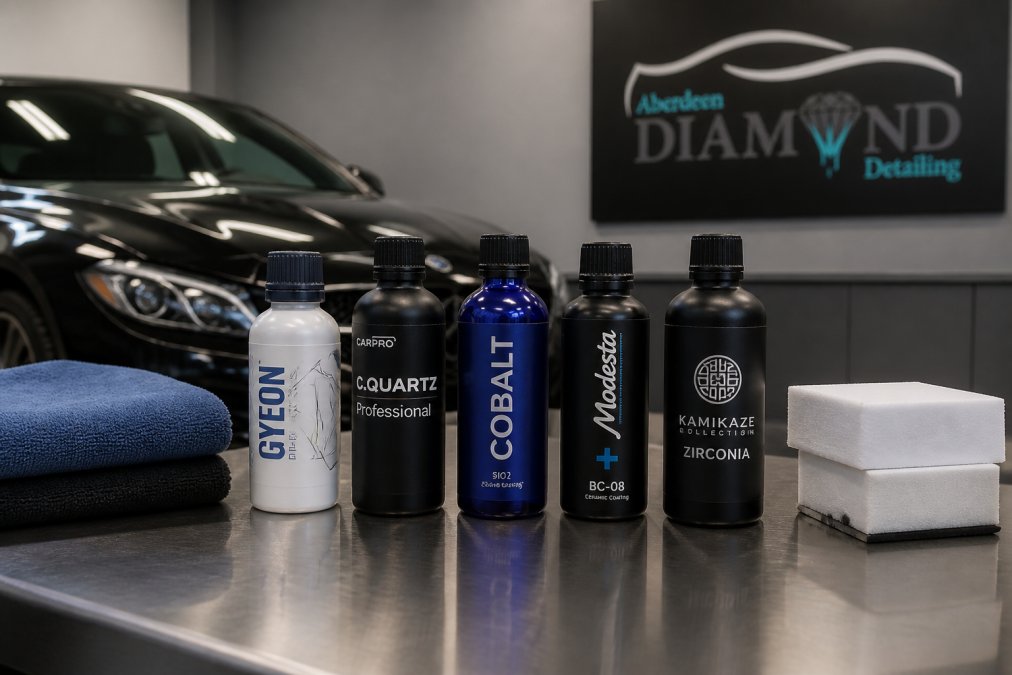
- Quick Comparison: Top 5 Ceramic Coating Brands
- How We Evaluated These Ceramic Coating Brands
- 1. Gtechniq: British Engineering for Extreme Chemical Resistance
- 2. Ceramic Pro: Multi-Layer Hardness for High-Value Vehicles
- 3. CarPro (CQuartz): Formulated for Damper, Colder Climates
- 4. GYEON: Quartz-Based Durability with High-End Aesthetics
- 5. Modesta: Boutique Glass-Like Finish for Collectors
- What Determines Ceramic Coating Cost for Luxury Vehicles?
- Frequently Asked Questions
Last Updated: 20 September 2026
Quick Comparison: Top 5 Ceramic Coating Brands
Choosing among the top 5 ceramic coating brands for luxury vehicles comes down to chemistry, climate, and installer skill rather than marketing claims. This guide compares five names often seen on prestige and performance cars, with notes on where each one wins and where it falls short.
Ceramic coating is a liquid polymer that bonds to a vehicle’s clear coat and forms a semi-permanent, hydrophobic layer. It makes washing easier, adds gloss, and shields paint from road salt and UV. The catch is that results depend heavily on preparation and application quality, which is why brand choice matters less than who applies it.
| Brand | Origin | Standout Strength | Best For |
|---|---|---|---|
| Gtechniq | British | Extreme chemical resistance | Long-term professional protection |
| Ceramic Pro | Global | Multi-layer hardness | High-value prestige vehicles |
| CarPro (CQuartz) | Global | Cold, damp climate formula | Enthusiasts and detailers |
| GYEON | Global | Quartz-based durability | Durability plus aesthetics |
| Modesta | Japan | Glass-like depth of finish | Collectors and exotics |
How We Evaluated These Ceramic Coating Brands
Each brand was assessed on four criteria: durability claims, resistance to chemicals and road salt, suitability for damper climates, and how easy the product is to maintain after application.
We also weighed installer networks and how consistently each coating performs across different paint types. A coating that looks superb on a garage-kept supercar but struggles on a daily driver in wet conditions does not earn a top spot.
One point worth stating plainly: no coating replaces proper washing habits. Even the hardest ceramic coating brands expect periodic maintenance to keep their hydrophobic properties working.
1. Gtechniq: British Engineering for Extreme Chemical Resistance
Gtechniq is highly regarded for its coatings built to shrug off road salt, bird droppings, and industrial fallout. Its Crystal Serum Ultra layer delivers a high-gloss, chemically resistant surface backed by a multi-year performance guarantee.
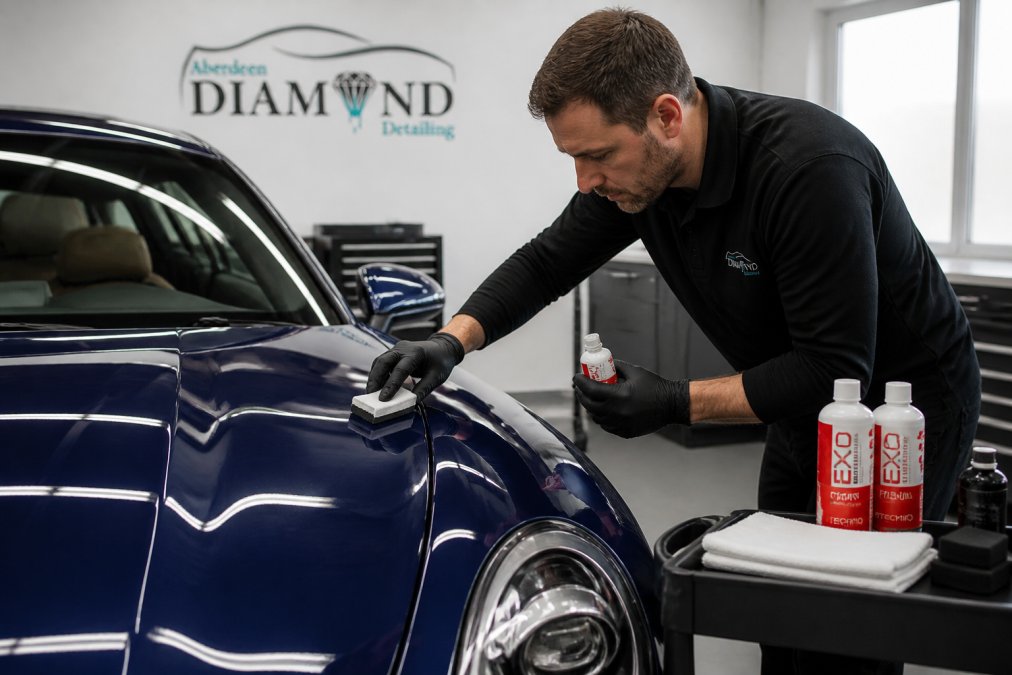
The brand’s strength is its accredited installer network. Professional-grade products in this range need certified application, so the finish lives or dies on the person holding the applicator.
Pros:
- Highly regarded for extreme chemical resistance
- Extensive network of accredited detailers
Cons:
- Professional-grade products require certified installation
Ask any installer how they decontaminate and correct paint before coating. If they skip the prep conversation, walk away. Coating over swirl marks locks the flaws in permanently.
2. Ceramic Pro: Multi-Layer Hardness for High-Value Vehicles
Ceramic Pro built its reputation on multi-layering technology, which stacks additional coats to increase thickness and surface hardness. For owners of high-value prestige vehicles, that extra layer of sacrificial protection is genuinely useful.
Its permanent bond to the clear coat and comprehensive warranty programme make it a common choice for cars that live outside or cover high mileage. The trade-off is cost: professional application requirements push the price above most DIY alternatives.
Pros:
- Industry-standard for multi-layer protection
- Excellent hydrophobic properties
Cons:
- Higher cost due to professional application requirements
3. CarPro (CQuartz): Formulated for Damper, Colder Climates
CarPro’s CQuartz UK 3.0 was specifically formulated for colder, damper conditions, which explains its popularity among detailers working through wet winters. The high SiO2 content produces deep gloss and strong self-cleaning behaviour.
If your car sits outside through months of rain and grit, this is one of the ceramic coating brands worth shortlisting. Where it demands respect is preparation: the finish only performs if the surface is corrected and decontaminated first.
Pros:
- Formulations specifically suited to wet, cold weather
- Strong reputation among professional detailers
Cons:
- Requires meticulous surface preparation for optimal results
4. GYEON: Quartz-Based Durability with High-End Aesthetics
GYEON splits its range into Pure and Mohs series, offering different levels of hardness and longevity depending on how the car is used. Its quartz-based chemistry resists harsh chemicals and road salt well, and it holds up consistently across different paint types.
The professional range is restricted to accredited detailers, which keeps quality high but limits who can apply it. For luxury owners wanting durability without sacrificing finish quality, it sits comfortably in the middle of this list.
Pros:
- Excellent resistance to water spotting
- Consistent performance across different paint types
Cons:
- Professional range is restricted to accredited detailers
Water spotting is a common complaint about coatings applied without proper curing time. If a car is exposed to rain within the first 24 hours, the coating can haze and lose hydrophobic performance.
5. Modesta: Boutique Glass-Like Finish for Collectors
Modesta sits at the boutique end of the market, using proprietary glass-based coating technology to produce exceptional depth and clarity. For collectors and exotic car owners, the finish quality is the entire point.
The exclusivity cuts both ways. A very limited installer network means you may need to travel, and availability is genuinely restricted compared with mass-market brands. That scarcity is part of the appeal for some owners, and a genuine inconvenience for others.
Pros:
- Unrivalled aesthetic finish
- Highly exclusive brand status
Cons:
- Very limited number of certified installers
What Determines Ceramic Coating Cost for Luxury Vehicles?
Ceramic coating cost depends on four main factors: the size and condition of the vehicle, the level of paint correction required, the coating’s durability tier, and the installer’s labour rate. A car needing heavy correction before coating will always cost more than one in good condition.
Paint correction before ceramic coating is not optional for most used vehicles. Swirl marks, marring, and oxidation must be removed first, because the coating seals in whatever sits beneath it. Skipping this step is the single most common reason owners feel disappointed with results.
Maintenance also affects long-term value. Learning how to maintain a ceramic coating properly, using pH-neutral shampoo and avoiding automatic brush washes, keeps the hydrophobic layer working and protects your investment between professional services.
The coating is only as good as the preparation beneath it. Budget for paint correction as part of the job, not as an optional extra, and the finish will hold up far longer.
For prestige and performance vehicles, the sensible approach is to choose a reputable brand and then focus your attention on the installer’s process. A mid-tier coating applied by a meticulous professional will outperform a premium product rushed onto unprepared paint every time.
Frequently Asked Questions
How much does a professional ceramic coating cost for a luxury vehicle?
Ceramic coating cost depends on vehicle size, paint condition, and the specific brand applied. Coatings from Gtechniq, Ceramic Pro, and GYEON require accredited installation, which includes thorough decontamination and often paint correction. The price reflects preparation time, coating durability, and any warranty programme. For an accurate figure tailored to your car, request a quote from a specialist who can assess your paintwork in person.
Is ceramic coating worth the investment for high-end cars?
A ceramic coating creates a semi-permanent bond with your clear coat, providing chemical resistance, hydrophobic behaviour, and easier cleaning. For a luxury vehicle, it helps preserve resale value by reducing swirl marks and environmental damage. Coatings like Gtechniq Crystal Serum Ultra and Ceramic Pro offer multi-year guarantees when professionally applied. The investment is most worthwhile when combined with proper paint correction beforehand.
How long does a professional ceramic coating last on a luxury vehicle?
Durability varies by product and maintenance. Entry-level coatings may last one to two years, while professional-grade options such as Gtechniq Crystal Serum Ultra, Ceramic Pro, and Modesta can provide five years or more. Longevity depends on how to maintain ceramic coating correctly: regular pH-neutral washes, avoiding abrasive products, and annual inspections keep the layer intact. Harsh weather and road salt accelerate degradation without proper care.
What is the difference between professional-grade and DIY ceramic coatings?
Professional-grade coatings like Ceramic Pro, GYEON, and Modesta are restricted to accredited detailers because they require controlled application conditions and curing. DIY kits, such as those from Chemical Guys, are more forgiving but typically offer shorter durability and less chemical resistance. Professional application also includes essential steps like paint correction before ceramic coating, which DIY kits rarely address. The result is a longer-lasting, more uniform finish.
Do ceramic coatings protect against stone chips?
Ceramic coatings do not protect against stone chips. They are thin, chemical-resistant layers that repel water and contaminants but cannot absorb impact. For impact protection, paint protection film (PPF) is the appropriate solution. Many luxury vehicle owners combine PPF on high-impact areas with a ceramic coating on top for ease of maintenance. A specialist can advise on the best combination for your driving conditions.